HOME PAGE - Mosquito & Insects


ULTRASONIC PLUG IN

This product applies the powerful ultrasonic technology to repel mosquitos, mice, cockroaches, spiders, ants and rats while safe for humans and pets
Just plug the repeller into the socket to compel pests to leave your home
No need to clean up dead insects and pests anymore! Enjoy an eco-friendly pest repelling experience right now
6.50 Euros each
**********
SMOKE BOMBS/FOGGERS

Smoke bombs/Foggers
Kills all flying and crawling insects
Easy to use - very effective
€4.50 each
**********
**********

This insect repeller uses an advanced technology repellent that makes outdoor living and activities more enjoyabe from the annoyance of insects such as mosquitoes.
€2 Each
**********
BUG BITE TOOL
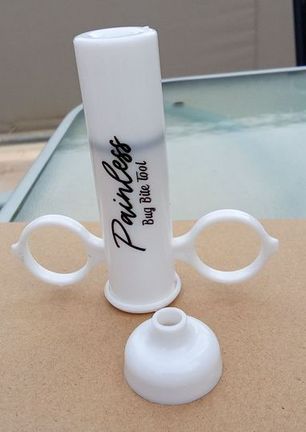
Painless bug bite tool. place over bite, pull up handles to create suction. Hold for 10-20 seconds then push down handlesto release. Repeat. Reversible cap.
€3 each
**********
ELECTRIC INSECT RACQUET SWATTER

Forget nasty polluting chemicals the bug zapper is a safe way to deal with insects. The zapper works by attracting insects and then killing them with an instant electric shock. Ideal for around the home, caravan and workshop.
€5 Each
**********
FLY SWATTERS

Palm shaped fly swatters - various colours
€1 each
**********
CITRONELLA INCENSE STICKS / HOLDER

Citronella fragranced incense. Anti Fly/Mosquito Repellent, 1 x Incense holder inlcuded in each pack together with 40 Citronella Incense sticks.
€4 Each
PACK OF 20 CITRONELLA INCENSE STICKS

€2 Each
**********
ANTI MOSQUITO HAIR/WRIST BAND

Anti Mosquito/Pest repel wrist band bracelet, suitable for camping, beach hiking, all indoor and outdoor activities. Easy to use. Water resistant. Can be put on wrists, ankles, use it as a hairband or place on bags. It uses natural eucalyptus incense which is non-toxic. Suitable for all ages as very safe. Assorted colours.
50c each
**********
YELLOW STICKY INSECT TRAP BALL
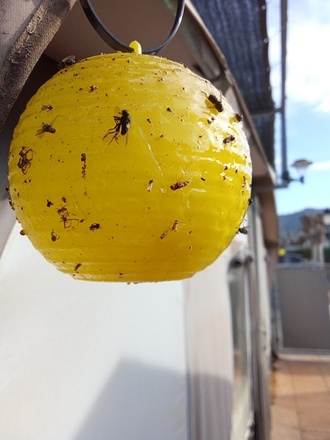
Insect Sticky is a highly effective adhesive ball for catching pests. It is suitable for catching aphids, gnats, fruitflies, mosquitos etc etc
€2.50c for 2
**********
HANGING INSECT TRAP

A disposible insect trap which is filled with a trapping bag that prevents the insect from getting out. In the lure bag there are some baits (included) that have been developed from feed. When the insect trap is filled with water the bait begins to dissolve, reacts and evaporates an odour. When the insect smell the smell they fly in and die in the water. It is a neat hygenic and environmentally friendly insect trap.
€3 Each
**********
BABY FOLDABLE MOSQUITO NET CANOPY BED

Portable and easy to carry. Light weight and foldable. The breathable translucent mesh means parents have an easy view of their baby. Suitable for 0-3 year babies. It keeps baby away from mosquitos, flies and other insects. The item is a baby portable bed with mosquito nets, pillows and mats.
€10 Each (in Pink or Blue)
**********
STROLLER MOSQUITO COVER

A fine net to cover pram or stroller to keep insects away. Elasticated so easy to attach.
€3 Each
**********
COCKROACH POWDER

The insecticidal bait is a highly effective way of killing cockroaches. It is low toxic.
50c per pack
**********
MOSQUITO/INSECT REPELLENT WIPES

€2 per pack

"Don't get stung on price .. Buy from us you'll be buzzing!"
"LIKE" us on Facebook
|
